Blog

  • Maintaining Tree Health Through Consistent Care and Attention

    Trees are long-term investments in the beauty and environmental quality of any property. They provide cooling shade, improve air circulation, support biodiversity, and create a natural atmosphere that makes outdoor spaces more comfortable. However, maintaining healthy trees requires more than allowing them to grow without interference. Regular observation, suitable growing conditions, and timely maintenance help prevent common problems and support healthy development throughout their lifespan.

    An important part of tree care is recognizing how environmental conditions affect growth. Temperature changes, rainfall patterns, wind exposure, and soil quality can influence the overall condition of a tree. Some trees may experience stress during prolonged dry periods, while others struggle when their roots remain in poorly drained soil. Understanding these environmental factors allows property owners to adjust maintenance practices and provide better growing conditions.

    Root protection should be a priority when maintaining established trees. Roots extend beyond the visible trunk area and play an essential role in absorbing nutrients and maintaining stability. Digging, construction work, and repeated pressure from vehicles can damage these underground structures. Keeping heavy activities away from root zones and maintaining suitable soil conditions can help prevent unnecessary stress. A properly applied layer of organic mulch can also protect the soil and reduce moisture loss.

    Tree inspections are another valuable maintenance practice. Checking the condition of branches, leaves, bark, and exposed roots can reveal early signs of damage or disease. Unusual discoloration, cracks, fungal growth, and declining foliage should not be ignored. These symptoms may indicate environmental stress, pest activity, or structural weakness. Seeking professional advice when problems appear can help determine the correct approach before the tree becomes seriously affected.

    Proper canopy maintenance also contributes to healthy development. Trees sometimes develop weak branch connections, overcrowded growth, or dead sections that affect their structure. Selective pruning helps remove problematic branches and maintain a balanced canopy. It is important to use appropriate techniques and avoid excessive cutting because unnecessary pruning can reduce the tree’s ability to produce energy. Mature trees should receive professional attention when large branches require removal.

    Providing adequate water and nutrients is equally important. Young trees generally need regular watering until their root systems become established. Mature trees may require additional moisture during extended periods without rainfall, depending on their species and soil conditions. Fertilizer should only be applied when there is evidence of a nutrient deficiency or a specific need. Excessive fertilizer can encourage weak growth and create additional stress.

    Another consideration is protecting trees from pests and harmful diseases. Insects, fungi, and other organisms may affect leaves, branches, and trunks. Keeping the surrounding area clean, avoiding unnecessary injuries, and monitoring unusual changes can help reduce potential problems. When an infestation develops, identifying the responsible pest is important for choosing an effective treatment.

    Professional tree maintenance can provide additional benefits for property owners who have large, mature, or damaged trees. Experienced arborists can assess structural conditions, identify health concerns, and recommend suitable maintenance procedures. Their guidance is particularly helpful when trees are located near buildings, roads, or other important structures.

    In the long run, healthy trees depend on consistent care and responsible maintenance decisions. By protecting root systems, monitoring tree conditions, managing water requirements, and addressing problems early, property owners can support stronger growth and maintain attractive outdoor spaces. A thoughtful approach to tree care preserves valuable greenery while creating a healthier and more sustainable environment for future generations.
  • How to Keep Garden Trees Healthy in Urban Areas

    Trees growing in towns and cities face challenges that are not always found in larger gardens or open countryside. Limited space, compacted soil, road pollution, nearby buildings, and restricted root growth can all affect their development. I have found that urban trees often need more thoughtful maintenance because their growing conditions are shaped by the surrounding environment. With the right care, even a small residential garden can support healthy and attractive trees.

    Understanding the Challenges of Urban Tree Growth

    One of the biggest difficulties for urban trees is limited growing space. Buildings, driveways, fences, and paved areas can restrict the amount of soil available to roots. When roots cannot spread naturally, the tree may struggle to access enough water and nutrients.

    Soil compaction is another common issue. Foot traffic, parked vehicles, and construction work can press the soil particles together. This reduces the spaces needed for air and water movement, making it harder for roots to function properly.

    Urban temperatures can also be higher than those in surrounding rural areas. Hard surfaces absorb heat during the day and release it slowly, sometimes creating stressful conditions for nearby trees. Recognising these challenges is the first step towards providing suitable maintenance.

    Selecting Trees That Suit Smaller Gardens

    Choosing the right species makes long-term tree care easier. A tree that naturally grows too large for its location may eventually require repeated pruning or create problems with nearby structures. Before planting, consider the mature height, canopy width, root characteristics, and general growth habits of the species.

    Smaller ornamental trees can be suitable for compact gardens, while some medium-sized species work well where there is more room. Native species may also provide useful food and shelter for local wildlife, depending on the location and planting conditions.

    I recommend thinking beyond the tree’s appearance when choosing a variety. Consider how much sunlight the garden receives, whether the soil drains properly, and how exposed the planting area is to wind. A suitable choice from the beginning can prevent many maintenance problems later.

    Protecting Roots Around Paved Areas

    Roots need access to suitable soil, but urban gardens often have extensive paving. Patios, paths, and driveways can reduce the amount of exposed ground where rainfall can reach the root system. Heavy paving may also place pressure on the soil below.

    Where possible, leave an appropriate area of permeable ground around established trees. Avoid unnecessary digging near major roots, especially when installing garden lighting, drainage systems, or new paths. Even relatively small projects can cause damage if they cut through important roots.

    If a paving project is planned near a mature tree, professional advice can help identify a suitable design. Adjusting the layout before construction is usually easier than trying to correct root damage afterwards.

    Managing Pollution and Environmental Stress

    Trees in busy residential areas may experience exposure to vehicle emissions, dust, and other pollutants. Their leaves can collect particles, while restricted soil conditions may make recovery from environmental stress more difficult.

    Regular inspections help identify changes in leaf colour, growth, and overall canopy condition. Dust-covered foliage does not automatically mean a tree is unhealthy, but persistent stress combined with poor soil conditions deserves attention.

    Avoid adding unnecessary chemicals around trees in an attempt to improve their condition. Fertilisers and treatments should only be used when there is a clear reason. Improving soil conditions and addressing the source of stress are often more useful starting points.

    Providing Suitable Water and Mulch

    Water management is especially important in urban gardens because paved surfaces can change how rainfall reaches the soil. Water may run away from the planting area rather than soaking into the ground around the roots.

    Check soil moisture during dry periods and pay particular attention to recently planted trees. Water slowly so that moisture can reach the root zone. The frequency will depend on soil type, weather, tree age, and species.

    Mulching can help reduce evaporation and protect the soil surface. Organic mulch also adds useful material as it breaks down. Keep it a short distance away from the trunk rather than building it into a mound around the bark.

    Keeping Trees Safe Near Buildings and Walkways

    Urban trees sometimes grow close to homes, garages, footpaths, and neighbouring properties. Their branches may eventually extend over roofs or obstruct access routes. Regular observation helps identify potential conflicts before they become difficult to manage.

    Pruning should focus on genuine structural or safety needs rather than repeatedly cutting back every branch that extends beyond a preferred boundary. Excessive pruning can weaken a tree and encourage poorly attached regrowth.

    If a large branch appears cracked, dead, or unstable, arrange an assessment by a qualified arborist. Trees located near roads, buildings, and public spaces may require specialist attention because falling branches can create risks for people and property.

    Supporting Wildlife in Residential Neighbourhoods

    Even a single garden tree can provide useful habitat. Flowers may attract pollinating insects, while berries, seeds, and other natural food sources can support birds and small animals. Mature trees may also provide nesting places and shelter.

    Choosing suitable species and avoiding unnecessary pruning can help preserve these benefits. Where practical, leaving some natural features such as suitable deadwood in a safe location can also support wildlife. However, damaged or unstable branches should always be assessed before being retained.

    A garden does not need to be large to contribute to local biodiversity. Thoughtful planting and maintenance can make residential areas greener and more welcoming for wildlife.

    Making Urban Tree Care a Regular Habit

    Healthy urban trees depend on consistent attention rather than occasional heavy maintenance. Checking soil conditions, monitoring branches, providing appropriate water, and protecting roots can all help trees cope with challenging surroundings.

    I believe the best approach is to understand the limitations of each planting location and work with them. A suitable tree, enough growing space, and a sensible maintenance routine can make a significant difference. With proper care, urban garden trees can continue providing shade, beauty, privacy, and environmental benefits for many years.

  • Smart Tree Care Strategies for Maintaining Healthy Outdoor Environments

    Trees are essential components of healthy outdoor environments, offering natural shade, improving air quality, and creating welcoming spaces for people and wildlife. From small garden trees to large shade trees surrounding commercial buildings, every tree benefits from proper maintenance. Although trees can survive many natural conditions, neglecting their basic needs may lead to weak branches, unhealthy roots, and reduced growth. Developing a consistent tree care routine helps protect these valuable landscape features and supports their long-term health.

    Understanding the condition of a tree’s roots is a good starting point for effective maintenance. Roots provide stability and absorb the water and nutrients needed for healthy development. When the surrounding soil becomes compacted or repeatedly disturbed, roots may struggle to expand and function properly. Keeping heavy equipment away from root zones, avoiding unnecessary digging, and maintaining suitable soil conditions can help prevent these problems. Organic mulch can also improve moisture retention and protect the soil from extreme temperature changes.

    Another important strategy is managing the amount of sunlight and space available to each tree. Some species require full sunlight to grow properly, while others tolerate shaded conditions. Overcrowded planting arrangements can cause trees to compete for essential resources and restrict healthy canopy development. Proper spacing during planting gives each tree enough room to mature and reduces the need for extensive corrective maintenance later.

    Regular watering should also be part of a responsible maintenance plan. Trees need different amounts of moisture depending on their species, age, soil conditions, and local weather. Newly planted trees generally require more frequent attention because their roots are still establishing themselves. Applying water slowly and deeply encourages roots to develop below the soil surface. During rainy periods, watering should be reduced to prevent excessive moisture around the roots.

    Pruning is particularly useful for maintaining strong branches and a balanced canopy. Deadwood, damaged limbs, and certain crossing branches may need removal to improve tree structure. Proper pruning also helps reduce potential hazards and maintains an attractive appearance. However, removing too much foliage can weaken a tree, so pruning should always be performed with care. Large branches and difficult cutting jobs are best handled by trained tree care professionals.

    Pest and disease monitoring is equally important for preserving tree health. Small changes, such as curled leaves, unusual spots, holes in bark, or premature leaf loss, may indicate an emerging problem. Inspecting trees regularly makes it easier to identify these symptoms and determine whether treatment is necessary. Good sanitation, suitable growing conditions, and timely professional advice can help prevent certain problems from becoming severe.

    Weather conditions can also influence the way trees should be maintained. Extended heat may increase watering requirements, while strong winds and heavy rainfall can damage branches or expose roots. Inspecting trees after severe weather helps identify structural changes that may require attention. Seasonal maintenance should be adjusted according to local climate conditions and the specific needs of each tree species.

    Ultimately, smart tree care involves understanding natural growth patterns and responding to potential problems before they become serious. Consistent inspections, appropriate watering, soil protection, and careful pruning all contribute to healthier trees. With responsible maintenance and professional support when needed, property owners can preserve attractive landscapes and enjoy the lasting environmental benefits that healthy trees provide.

  • Creating a Healthier Garden With Thoughtful Tree Pruning

    Tree pruning is an important part of maintaining a healthy and attractive garden. However, good pruning involves much more than cutting back branches that look untidy. Each cut can influence how a tree develops, how sunlight reaches its canopy, and how well its structure handles wind and weather. Through practical tree maintenance, I have learned that understanding what a tree needs is far more valuable than removing branches simply to make it look smaller.

    Understanding Why Trees Need Pruning

    Trees naturally grow in different shapes and sizes. Some develop wide canopies, while others grow upwards with a more upright structure. As branches mature, they can become crowded, damaged, or poorly positioned. Pruning helps manage these conditions and encourages a more balanced structure.

    One of the main reasons to prune is to remove dead or damaged branches. These branches can become weak and may fall during strong winds. Removing them carefully can also improve the appearance of the tree and reduce opportunities for decay to spread through damaged areas.

    Pruning can also help when two branches rub against each other. Continuous friction may damage the bark and create wounds. Identifying these problems early makes it easier to manage the tree before more serious damage develops.

    Choosing the Right Time to Prune

    Timing is an important consideration because different tree species respond differently to pruning. Some trees are best pruned during their dormant period, while others may benefit from light maintenance at different times of the year. Flowering trees also require special attention because pruning at the wrong time can remove buds and reduce seasonal displays.

    I always recommend identifying the tree species before deciding when to carry out significant pruning. The tree’s health, age, and condition should also influence the decision. A mature tree with existing structural problems may need a different approach from a young tree that only requires minor shaping.

    Weather conditions matter as well. Avoid carrying out unnecessary pruning during extremely hot or stressful weather. Large branches and complex work should be assessed by a qualified arborist who understands the appropriate techniques.

    Removing Branches Without Damaging the Tree

    Correct cutting methods help prevent unnecessary injuries. Large branches should not simply be cut close to the trunk without considering their weight and attachment. An uncontrolled cut can tear bark and create a much larger wound than intended.

    Professional pruning techniques are designed to control the weight of a branch and make a clean cut in the appropriate location. The natural branch collar should be respected because it plays a role in the tree’s ability to respond to the wound. Leaving long stubs is also undesirable because they can interfere with the tree’s natural healing process.

    I advise homeowners against making large cuts without proper experience. A small mistake can affect the tree for many years, especially when the branch is part of its main structure.

    Improving Light and Airflow in the Canopy

    A crowded canopy can prevent sunlight from reaching some inner branches and leaves. It may also reduce airflow through the tree. Selective pruning can sometimes improve these conditions while maintaining the tree’s natural appearance.

    The goal should not be to remove as much growth as possible. Excessive thinning can expose branches to stronger sunlight and place unnecessary stress on the tree. A balanced canopy is generally more useful than one that has been heavily cut back.

    When I assess a tree, I look at how its branches are distributed and whether certain areas are becoming overcrowded. Removing only the branches that genuinely need attention helps preserve the tree’s natural shape.

    Avoiding Common Pruning Mistakes

    One common mistake is topping a tree by cutting back its main upper branches to a set height. This can produce weakly attached shoots and damage the tree’s natural structure. It may also create future maintenance problems because the new growth can become crowded and difficult to manage.

    Another mistake is removing too much foliage in a single session. Leaves help trees produce the energy needed for growth, so excessive pruning can leave a tree struggling to recover. The amount that can safely be removed depends on the species, condition, and circumstances.

    Using unsuitable or poorly maintained tools is another concern. Dull equipment can produce rough cuts, while dirty tools may transfer harmful organisms between plants. Keeping equipment clean and using the correct tools for each task is an important part of responsible maintenance.

    Knowing When Professional Help Is Necessary

    Some pruning work is suitable for basic garden maintenance, but larger trees require specialist knowledge and equipment. Branches near buildings, power lines, roads, or neighbouring properties should not be treated as ordinary DIY projects.

    A qualified tree professional can assess structural weaknesses, identify potentially hazardous branches, and recommend suitable work. They can also explain whether a tree needs pruning or whether another maintenance approach would be more appropriate.

    Before arranging major work, homeowners should check local requirements, especially when a tree may be protected or located within a conservation area. This can prevent unnecessary legal and planning complications.

    Maintaining Trees for Long-Term Growth

    Successful pruning is not about changing every tree into a perfect shape. It is about supporting natural development while addressing problems that could affect safety, health, or appearance. Regular observation helps homeowners understand how their trees are growing and when maintenance may be necessary.

    By choosing suitable pruning times, using correct cutting methods, and avoiding excessive removal, it is possible to maintain a garden that looks attractive without putting established trees under unnecessary stress. Thoughtful pruning gives trees room to develop while helping them remain valuable features of the property for many years.

  • Building a Stronger Landscape Through Proper Tree Care

    A beautiful landscape depends on more than attractive plants and decorative features. Healthy trees provide structure, natural shade, privacy, and environmental benefits that make outdoor spaces more enjoyable. However, maintaining a thriving landscape requires consistent attention to the condition of its trees. Proper tree care supports healthy development, reduces potential hazards, and helps preserve the natural appearance of residential gardens, parks, and commercial properties.

    One of the most important considerations in tree maintenance is understanding how trees respond to their surroundings. Sunlight, soil quality, drainage, and available growing space all influence their development. Trees planted in unsuitable locations may struggle with limited root expansion, insufficient sunlight, or excessive moisture. Choosing appropriate tree species and providing suitable planting conditions can prevent many long-term problems.

    Maintaining the surrounding ground is another important responsibility. Tree roots need access to oxygen, water, and nutrients to support healthy growth. Repeated foot traffic, heavy vehicles, and construction activities can compact soil and interfere with root development. Applying organic mulch around the root zone helps maintain moisture, regulate soil temperature, and gradually improve soil quality. Keeping the area around the trunk clear also makes it easier to monitor the tree’s condition.

    Canopy management plays an important role in maintaining attractive and structurally balanced trees. As branches develop, some may become overcrowded, damaged, or poorly positioned. Selective pruning helps remove problematic growth while preserving the tree’s natural form. It can also improve airflow through the canopy and reduce the likelihood of certain branch-related hazards. Pruning should be performed carefully, as excessive cutting can create unnecessary stress and affect future growth.

    Watering requirements should be evaluated according to the tree’s age, species, and surrounding conditions. Newly planted trees need consistent moisture while their roots become established, whereas mature trees may obtain much of their water from deeper soil layers. During dry weather, deep watering can help maintain healthy root systems. However, watering too frequently in poorly drained soil may cause root damage, so checking soil moisture is always beneficial.

    Another essential aspect of tree care is recognizing early signs of disease. Unusual leaf spots, branch dieback, bark discoloration, and fungal growth may indicate that a tree needs attention. Regular monitoring helps identify these symptoms before they become widespread. Removing infected material when appropriate and seeking professional guidance can help protect both the affected tree and nearby vegetation.

    Trees also benefit from protection against accidental damage. Lawn maintenance equipment, pets, vehicles, and nearby construction can injure trunks and exposed roots. Establishing protected areas around valuable trees reduces unnecessary disturbance. Property owners should also pay attention to branches growing close to roofs, walkways, and electrical infrastructure to prevent future conflicts.

    Professional tree care services can provide additional support when maintenance becomes complicated. Qualified arborists can assess tree stability, recommend appropriate pruning, identify health concerns, and develop maintenance plans for mature trees. Their knowledge helps property owners make responsible decisions without putting unnecessary stress on valuable landscape features.

    In conclusion, building a healthy landscape requires consistent attention to tree condition, soil quality, watering, and structural maintenance. Each tree has individual needs that should be considered when planning its care. By combining regular inspections with responsible maintenance practices, property owners can create greener outdoor environments that remain attractive, healthy, and beneficial for years to come.

  • Why Preventive Tree Care Is Important for Every Landscape

    Trees add natural beauty, shade, and environmental value to residential and commercial properties. They also help improve air quality, reduce surrounding temperatures, and provide shelter for birds and other wildlife. Despite their ability to grow naturally, trees still need proper maintenance to remain healthy and structurally strong. Preventive tree care focuses on identifying potential problems early and providing the attention necessary to support healthy growth throughout the year.

    One of the most effective preventive practices is scheduling regular tree inspections. A tree may appear healthy from a distance while developing problems in its branches, trunk, or root system. Cracks in the bark, fungal growth, unusual leaf patterns, and dead branches can indicate underlying concerns. Examining trees regularly allows property owners to recognize these changes and seek professional advice before the damage becomes extensive.

    Maintaining suitable growing conditions is equally important. Trees need healthy soil, adequate sunlight, proper drainage, and sufficient space for their roots and branches. Poor drainage can create excessive moisture around roots, while compacted soil may prevent them from receiving enough oxygen. Adding organic mulch can help improve soil conditions and retain moisture during dry weather. Keeping mulch away from direct contact with the trunk also helps reduce the risk of bark problems.

    Another important preventive measure is protecting trees from unnecessary physical injuries. Trunk damage caused by lawn equipment, vehicles, and construction activities can affect the tree’s ability to protect itself against decay organisms. Installing protective barriers around vulnerable trees and avoiding heavy activity near their roots can reduce the chances of accidental damage. These simple precautions can make a meaningful difference in long-term tree health.

    Proper pruning also contributes to preventive maintenance. Removing dead, broken, and diseased branches helps reduce potential hazards and supports better canopy structure. However, pruning should always be performed carefully because excessive cutting can weaken trees and encourage unwanted growth. The timing and method depend on the tree species, its condition, and the purpose of the pruning work. Experienced tree care professionals can determine which branches should be removed and how to make appropriate cuts.

    Seasonal maintenance provides additional protection against changing environmental conditions. During hot and dry periods, monitoring soil moisture becomes especially important. After heavy storms, trees should be checked for damaged limbs, leaning trunks, and exposed roots. Young trees may also need temporary support while their root systems become established. Adjusting maintenance practices according to weather conditions helps reduce unnecessary stress.

    Preventing pest and disease problems is another essential part of responsible tree care. Discolored leaves, unusual holes, sticky substances, and visible insect activity may indicate an infestation or infection. Identifying the cause is important before selecting a treatment. Professional guidance can help property owners choose effective solutions while avoiding unnecessary chemical applications.

    Ultimately, preventive tree care helps preserve the health, appearance, and safety of outdoor environments. Regular inspections, responsible pruning, suitable watering, and protection from physical damage can prevent many common problems. By making tree maintenance a consistent priority, property owners can protect their landscapes and enjoy the benefits of healthy, beautiful trees for many years.

  • Why Tree Health Depends on Proper Water Management

    Water is one of the most important requirements for healthy tree growth, but giving a tree more water does not always mean giving it better care. I have seen trees struggle because their roots were left dry during warm weather, while others suffered because the surrounding soil stayed wet for too long. Understanding how water moves through the ground can help homeowners avoid these problems and maintain stronger trees throughout the year.

    Understanding the Water Needs of Different Trees

    Every tree has its own watering requirements. Young trees usually need more regular attention because their root systems are still developing. Mature trees often have wider root networks that can reach moisture beyond the immediate area around the trunk. However, even established trees can experience stress during prolonged dry periods.

    The type of soil also affects how much water a tree receives. Sandy soil drains quickly and may need more frequent watering, while clay soil holds moisture for longer. Before creating a watering routine, I recommend checking the soil rather than following a fixed schedule. This simple habit can prevent unnecessary watering and help identify dry conditions early.

    Watering Newly Planted Trees Correctly

    Newly planted trees need particular attention during their first growing seasons. Their roots have not yet spread widely enough to collect moisture from a large area, so the original planting zone can dry out faster than expected. Regular checks are especially important during warm or windy weather.

    Water should be applied slowly so it has time to soak into the soil. Pouring a large amount onto dry, compacted ground may cause water to run away instead of reaching the roots. A gentle watering method is usually more effective than a quick splash from a hose.

    Mulch can also help retain moisture around a newly planted tree. A suitable layer reduces evaporation and helps moderate soil temperature. Keep the mulch away from direct contact with the trunk to avoid creating damp conditions against the bark.

    Recognising the Signs of Water Stress

    Trees often show visible signs when they are not receiving the right amount of moisture. Leaves may become dry, curl at the edges, lose their usual colour, or fall earlier than expected. New growth may also become limited during periods of water stress.

    However, these symptoms can have several causes. Root damage, pests, disease, and nutrient problems may produce similar changes. I never recommend assuming that every unhealthy-looking tree simply needs more water. Checking the soil and examining the overall condition of the tree can help identify the real issue.

    Another useful sign is how quickly the soil dries after watering. If the ground remains excessively wet for several days, drainage may be a concern. If it becomes dry very quickly, the soil may not be holding enough moisture for the tree’s needs.

    Avoiding Problems Caused by Overwatering

    Overwatering is a common mistake in residential gardens. Homeowners sometimes continue watering because they believe trees need a constant supply of moisture. In reality, roots need both water and oxygen to function properly.

    When soil stays saturated, the available air spaces become filled with water. This can reduce oxygen around the roots and create conditions that encourage root deterioration. A tree affected by poor drainage may show yellowing leaves, weak growth, or general decline.

    The best approach is to check moisture before watering again. If the soil is still damp below the surface, another watering session may not be necessary. Improving drainage may also be important in areas where water collects naturally after rain.

    Using Mulch to Maintain Soil Moisture

    Mulching is a practical way to support better water management. Organic materials such as wood chips, shredded bark, and suitable compost can help reduce moisture loss from the soil. As these materials gradually break down, they also contribute organic matter to the ground.

    I usually recommend spreading mulch across the root area where practical rather than placing it directly against the trunk. The layer should not be excessively deep, as too much material can restrict air movement and create unwanted moisture conditions.

    Mulch also helps protect soil from heavy rainfall and temperature changes. During warmer months, it can reduce the rate at which the upper soil layer dries out. This makes it a useful part of a wider tree maintenance routine.

    Adjusting Tree Care to Seasonal Changes

    Water requirements change throughout the year. During spring, new leaves and shoots begin developing, and young trees may need regular checks as temperatures rise. Summer can bring longer dry periods, making soil moisture monitoring especially important.

    In autumn, rainfall may provide much of the moisture established trees require, although newly planted trees still need attention. During winter, watering is generally less frequent, but prolonged dry conditions can still affect trees, particularly those growing in exposed locations or containers.

    Weather conditions should always guide the routine. A watering schedule that works during a dry summer may be unsuitable during a wet spring. Checking the ground regularly is more reliable than watering automatically on the same days every week.

    Building Healthier Trees Through Better Watering

    Good water management is about balance. Trees need enough moisture to support growth, but their roots also need well-aerated soil and suitable drainage. By understanding soil conditions, checking moisture levels, using mulch correctly, and adjusting care to the weather, homeowners can avoid many common watering problems.

    Healthy trees rarely depend on one maintenance task alone. Watering works best when combined with careful pruning, regular inspections, suitable planting conditions, and protection from root damage. Paying attention to these details can help garden trees remain healthy, attractive, and better prepared for changing weather.

  • Understanding the Basics of Tree Health and Long-Term Maintenance

    Trees are a valuable part of every healthy landscape, offering environmental benefits that extend far beyond their appearance. They provide cooling shade, absorb carbon dioxide, release oxygen, and create habitats for different forms of wildlife. Whether growing in a small residential garden or across a large commercial property, trees need suitable conditions and consistent maintenance to remain healthy. Understanding the basics of tree care can help property owners protect their greenery and avoid common maintenance problems.

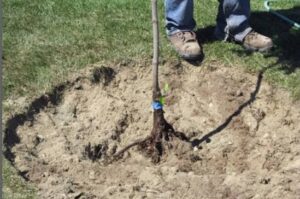
    Healthy growth begins with proper planting and establishment. Choosing a tree that suits the local climate and available soil conditions can make a considerable difference in its development. Before planting, the surrounding area should be evaluated for sunlight, drainage, and available growing space. The planting hole should be wide enough to accommodate the root system without placing the root flare too deeply underground. Correct planting techniques help young trees establish themselves and develop stronger roots.

    Maintaining adequate soil moisture is another essential responsibility. Trees depend on water to transport nutrients, support photosynthesis, and maintain healthy leaves and branches. Newly planted trees usually require more frequent watering than established ones. Applying water slowly around the root zone encourages deeper moisture penetration and supports stronger root development. Monitoring rainfall and soil conditions helps prevent both dehydration and overwatering.

    Tree canopies also require attention as they mature. Branches that become damaged, diseased, or overcrowded may affect the tree’s structure and overall appearance. Selective pruning removes unnecessary growth while allowing healthy branches to receive sufficient sunlight and airflow. It is important to avoid topping trees or removing excessive foliage because these practices can weaken their natural structure. Larger pruning projects should be handled by trained professionals who understand proper cutting techniques.

    Pest management is another important part of maintaining tree health. Insects can damage leaves, weaken branches, and sometimes spread diseases between plants. Regularly examining the trunk, foliage, and smaller branches can reveal early signs of infestation. Instead of immediately applying chemicals, property owners should identify the specific pest and choose an appropriate treatment. Maintaining healthy growing conditions can also help trees tolerate certain pest pressures.

    Weather protection should not be ignored when planning long-term tree maintenance. Heavy rain, strong winds, and extended periods of heat can place stress on branches and root systems. Inspecting trees after severe weather helps identify broken limbs, exposed roots, or changes in stability. Removing potential hazards promptly can protect nearby buildings, vehicles, and outdoor areas.

    Finally, professional inspections can provide additional support when trees become large or develop unusual symptoms. Qualified arborists can evaluate structural strength, identify diseases, and recommend maintenance schedules based on individual tree conditions. Their experience is particularly valuable when dealing with mature trees that require specialized equipment or careful pruning.

    In conclusion, maintaining healthy trees involves a combination of proper planting, responsible watering, soil care, pest monitoring, and regular inspections. Every tree has different requirements, so understanding its species and growing environment is essential. With consistent maintenance and timely professional assistance, property owners can preserve strong trees, improve landscape quality, and enjoy the lasting benefits of a greener environment.

  • How to Protect Trees During Home Improvement Projects

    Trees can add shade, privacy, beauty, and value to a residential property, but they are often overlooked when homeowners plan construction or renovation work. I have seen how easily a healthy tree can suffer when its roots are damaged, its trunk is struck by equipment, or its surrounding soil is covered with heavy materials. The damage is not always visible straight away. Sometimes a tree begins to decline months after the work has finished. Protecting existing trees should therefore be part of every outdoor improvement plan.

    Understanding How Construction Affects Trees

    A tree depends on more than the visible trunk and branches. Much of its root system spreads through the upper layers of soil, where it absorbs water and nutrients. These roots also need access to oxygen. When construction equipment repeatedly drives over the ground, the soil can become compacted and restrict the movement of air and water.

    Excavation can create another serious problem. Digging for foundations, drainage pipes, patios, or garden walls may cut through important roots. Even when the trunk remains untouched, losing a large portion of the root system can affect the tree’s stability and long-term health. I always recommend identifying valuable trees before any digging begins.

    Planning Work Around Existing Trees

    Good planning can prevent many common problems. Before starting a renovation, I suggest walking around the property and identifying trees that should be preserved. Consider their size, location, condition, and distance from the planned work area. This makes it easier to decide where machinery, building materials, and temporary access routes should be placed.

    It is also important to communicate with contractors. Workers may not realise how sensitive a tree’s root zone can be, especially when the roots extend beyond the canopy. Marking protected areas clearly can reduce accidental damage. A temporary barrier around the tree is often a practical way to prevent vehicles and stored materials from getting too close.

    Keeping Soil and Roots in Good Condition

    Soil protection deserves attention throughout the project. Heavy vehicles, scaffolding, skips, and piles of construction materials can place considerable pressure on the ground. Repeated pressure reduces the spaces between soil particles, making it harder for roots to receive the oxygen and moisture they need.

    Where possible, keep machinery and stored materials away from the main root zone. Avoid raising or lowering ground levels around established trees without professional advice. Adding a thick layer of soil can bury roots that were previously close to the surface, while removing soil can expose and damage them.

    If temporary access across a sensitive area is unavoidable, ask a qualified tree professional about suitable ground protection. The correct approach depends on the tree, soil conditions, and expected weight of the equipment.

    Preventing Damage to Trunks and Branches

    The trunk and branches also need protection. Construction equipment can scrape bark, break limbs, and damage the lower part of a tree. Even a relatively small injury can create an opening where pests or decay organisms may enter.

    Barriers should be installed far enough from the trunk to prevent accidental contact. They should not be nailed or tightly fastened directly to the tree. I also recommend checking the area regularly because barriers can move during busy construction work.

    Branches sometimes need to be removed to provide access for buildings or equipment. However, unnecessary cutting can weaken a tree and affect its natural shape. Pruning should be planned carefully, with attention to the tree’s species, condition, and growth pattern. A qualified arborist can determine whether a branch can be safely removed or whether the project layout should be adjusted.

    Caring for Trees After Construction

    Finishing the building work does not mean tree protection is complete. Once contractors leave, inspect the surrounding ground for signs of compaction, excavation, or accidental injury. Look for damaged bark, broken branches, exposed roots, and changes in soil level.

    Trees may take time to show the effects of construction stress. Reduced leaf growth, early leaf drop, dead branches, and unusual changes in colour can indicate that something is wrong. These symptoms do not always have the same cause, so it is better to arrange a professional assessment rather than immediately applying fertiliser or carrying out heavy pruning.

    Watering may be helpful during dry periods, particularly if the root area has been disturbed. However, watering should suit the soil conditions and the tree’s needs. Constantly saturated soil can create problems of its own.

    Making Tree Protection Part of Property Maintenance

    Healthy trees are long-term features of a property. Removing one because of avoidable construction damage can mean losing years of growth, natural shade, and visual appeal. Replacing a mature tree is rarely a quick solution because a newly planted tree needs considerable time to develop a similar presence.

    I encourage homeowners to include tree protection in their renovation budgets from the beginning. The cost of temporary barriers, professional advice, and careful site planning is often much lower than dealing with a damaged or declining tree later. It also helps contractors work with a clearer understanding of the property’s natural features.

    Giving Established Trees a Better Future

    Home improvements and healthy trees can exist together when both are considered during the planning process. Protecting roots, preventing trunk injuries, controlling soil disturbance, and checking trees after construction can make a meaningful difference.

    A little preparation before work starts can preserve the trees that make a garden special. By treating them as valuable parts of the property rather than obstacles, homeowners can create improved outdoor spaces while keeping their established trees healthy for years to come.

  • Giving Garden Trees the Right Conditions to Thrive

    I have worked with trees in residential gardens for many years, and I have noticed that healthy growth often comes down to the conditions surrounding the tree rather than frequent maintenance. A tree planted in suitable soil with enough space and access to moisture has a better chance of developing naturally. On the other hand, poor planting decisions and repeated disturbance can create difficulties that remain hidden for years. I believe successful tree care begins with creating an environment where each tree can grow without unnecessary restrictions.

    Choosing the Right Planting Position

    The location of a tree can influence its development throughout its life. Before planting, I consider the available space, sunlight, soil conditions, and the distance from nearby structures. A small tree may appear suitable for a narrow corner, but its mature canopy and root system could eventually require considerably more room.

    I encourage homeowners to research the expected size of a species before purchasing it. Trees planted too close to buildings, fences, and driveways may require repeated pruning as they mature. Some species also have growth habits that make them unsuitable for restricted spaces. Selecting an appropriate location from the beginning can reduce future maintenance and allow the tree to develop a more natural shape.

    Preparing the Ground Before Planting

    Good planting preparation gives young trees a useful foundation. I start by checking whether the soil drains properly and whether the planting area has enough suitable ground for root development. Extremely compacted soil or areas that remain waterlogged may need attention before planting takes place.

    The planting hole should generally be wider than the root ball, allowing roots to establish in the surrounding soil. However, digging excessively deep can cause the tree to settle below the correct level. I always pay attention to the root flare because it should remain visible near the soil surface. Correct planting depth is a simple detail that can prevent problems as the tree grows.

    Maintaining Suitable Moisture Levels

    Water is essential for healthy root activity and normal growth, but excessive watering can create problems. Different species have different moisture requirements, and soil conditions influence how quickly water moves through the ground. A tree growing in sandy soil may dry out faster than one planted in heavier soil.

    I recommend checking moisture around the root zone before watering. Newly planted trees generally require closer attention because their roots have not yet spread widely. During extended dry weather, slow watering can help moisture reach deeper into the soil. Once a tree becomes established, its requirements may change, so the watering routine should be adjusted accordingly.

    Encouraging Strong Root Development

    Roots provide stability and help trees access the resources needed for growth. Their development can be affected by soil compaction, nearby construction, and repeated disturbance. Even everyday activities such as parking vehicles beneath a canopy may gradually damage the ground where roots are growing.

    I prefer keeping heavy traffic away from important root areas wherever possible. Mulching can help protect the soil surface and reduce competition from grass, but it should be applied correctly. A moderate layer spread around the tree is generally more useful than a large mound against the trunk. Protecting the root environment helps support the tree from the ground up.

    Maintaining a Healthy Canopy

    A healthy canopy allows a tree to capture sunlight and carry out photosynthesis. Its structure also influences how branches respond to wind and changing weather. Dead, damaged, or poorly attached branches may require attention, but unnecessary cutting can reduce the tree’s ability to produce energy.

    When assessing a canopy, I look for specific problems rather than trying to create a perfectly uniform shape. Crossing branches, damaged limbs, and sections with significant decline may indicate that maintenance is needed. The correct pruning approach depends on the species, age, and condition of the tree. Large branches and work at height should be handled by a qualified professional.

    Giving Trees Enough Access to Sunlight

    Sunlight requirements vary between tree species. Some grow best in open positions, while others tolerate partial shade. When trees are planted too close together, their canopies may compete for available light as they mature.

    I consider future growth when planning a garden because a planting arrangement that looks balanced today may become crowded later. It is usually better to choose species that suit the available space than to rely on repeated heavy pruning. Suitable spacing can also improve air movement and make inspections easier. This creates a more manageable landscape over time.

    Protecting Trees From Everyday Garden Activities

    Routine gardening can unintentionally affect tree health. Strimmers may injure bark, digging tools can damage shallow roots, and excessive soil added around the trunk can cover the root flare. These problems are often preventable with a little care.

    I recommend maintaining a clear area around the trunk and avoiding unnecessary excavation beneath the canopy. When installing garden borders or decorative features, homeowners should consider the location of established roots. Any major landscaping work close to a valuable tree should be planned carefully, with professional advice where appropriate.

    Monitoring Trees as They Mature

    A tree’s needs change as it develops. Young trees may require support and regular watering, while mature specimens often need more attention to structural condition and their surrounding environment. Keeping an eye on changes in foliage, branch development, and trunk condition helps homeowners understand how their trees are progressing.

    I also recommend keeping basic records of planting dates, pruning, and any visible problems. This information can be useful during professional inspections and when planning future maintenance. If a tree suddenly develops a significant lean, major crack, or extensive branch decline, a qualified arborist should assess it rather than relying on visual guesses.

    Creating a Garden That Supports Healthy Trees

    Trees thrive when their natural requirements are considered as part of the overall garden design. Suitable planting positions, healthy soil, appropriate watering, and protection from physical damage all contribute to better development. These practices do not require constant intervention, but they do benefit from regular attention.

    I have found that thoughtful planning often saves homeowners time and money in the long run. Instead of correcting problems caused by unsuitable locations or poor growing conditions, it is better to give trees the space and care they need from the beginning. With consistent maintenance and informed decisions, garden trees can remain strong, attractive, and beneficial features of a property for many years.